
Peachtree Corners Address Eras
A sound search for previous residents separates ownership evidence from household evidence. The current parcel card gives a starting owner and deed reference. Recorded deeds then carry the ownership line backward. Telephone books, census schedules, newspapers, and probate files can add occupants or relatives, but each covers a different span and proves something different.
| Source | Years covered | Where held | What it shows |
|---|---|---|---|
| Recorded deeds and plats | Surviving from Sept. 26, 1871 | Gwinnett Clerk / GSCCCA | Ownership parties, date, book/page, legal description |
| Gwinnett census microfilm | 1820-1920, except 1890 | Gwinnett County Public Library | Households, relationships, ages, and places |
| Federal census online | Through 1950 | National Archives / library databases | Occupants at ten-year snapshots |
| Metro telephone books | Verified examples from 1968, 1972, 1974, 1976 | Library of Congress / DLG | Name, address, locality label, and phone |
| City permits and code files | Municipal series from 2012 | City BS&A / JustFOIA | Project applicant, contractor, dates, and address |
| Local newspapers | Named runs from 1871-2008 | GCPL microfilm | Sales, obituaries, and address clues |
Begin with deeds for past owners, a telephone or census source for past residents, and permits for changes to the structure. No verified continuous Peachtree Corners criss-cross run was found, so an honest timeline may have gaps.
Peachtree Corners Previous Deeds
The Gwinnett property search accepts an owner, parcel number, or property address. Copy the PIN, situs address, legal description, exact owner spelling, and Document Reference. Situs means the physical parcel address; the separate mailing address is where the tax notice goes and does not prove occupancy.
- Open the current parcel and record its deed book/page and legal description.
- Retrieve that book/page in the GSCCCA real-estate index. Identify the buyer, seller, date, and instrument.
- Search the seller as a grantee, or earlier buyer, with an end date before the current sale.
- Match subdivision, lot, and legal description. A name match alone is too weak.
- Repeat until the online path fails, then use free viewing at the Clerk's Lawrenceville counter.
- Grantor and grantee
- The grantor transfers an interest; the grantee receives it.
- Chain of title
- The linked series of ownership transfers for one parcel.
- Legal description
- The recorded land identity, often subdivision, lot, block, land lot, or plat reference.
Security deeds show financing and are not always ownership transfers. A cancellation ends a security interest. Since all Gwinnett real-estate instruments became mandatory electronic filings in 2025, newer documents follow a different filing channel than old deed books, but the backward logic remains the same.
Peachtree Corners Record Barrier
The ordinary Gwinnett deed chain ends at a sharp local boundary. A courthouse fire on September 10, 1871 destroyed many land and Inferior Court records. County history says the alleged arsonists meant to destroy an incriminating letter; the letter reportedly survived while much of the archive burned. The Clerk's surviving land-record run begins September 26.
That loss does not mean every earlier trace vanished. Search Georgia Archives county microfilm cards, tax digests, court fragments, family papers, church files, and later deeds that recite an older ownership fact. The Georgia Archives research service and Gwinnett Historical Society can help identify those substitutes. They may reconstruct part of a story, but they cannot create an unbroken official title chain where the books are gone.
Note: Record the source and date for each link, especially when an archive substitute stands in for a burned deed book.
Older Peachtree Corners Place Names
Peachtree Corners did not begin municipal operations until July 2012. Older records for land now within the city may be filed under Norcross, Pinckneyville, Mechanicsville, Duluth, or unincorporated Gwinnett. A postal label also does not define the city boundary. Search each known form, then use the parcel's PIN, subdivision, lot, and plat to decide whether two records concern the same land.
Regional telephone directories illustrate the issue. Verified metro examples from 1968 through 1976 include Norcross-area entries and may abbreviate the locality as “Norc.” A rural route or road-only line can be valid evidence for previous residents, though it requires a map, deed, or census district to place it. Exact Peachtree Corners Polk or reverse-directory shelf years were not verified.
Match Peachtree Corners Past Residents
Owners are not the whole household. To test who lived here before, pair the closest directory year with a public census snapshot. The historical collection details belong on the Peachtree Corners city directory page; for one house, record only the name, address, locality, phone, page image, and date needed to bridge the timeline.
- Browse by surname, street, or Norcross exchange and verify the scanned page rather than trusting OCR.
- Find the closest census. Use enumeration-district maps for 1950, or GCPL census film for 1820-1920.
- Compare ages, relationships, birthplace, and occupation when the schedule supplies them.
- Bridge years with deeds, tax rolls, newspaper notices, church files, and probate records.
The National Archives census research pages explain the 72-year release rule and public schedules through 1950.
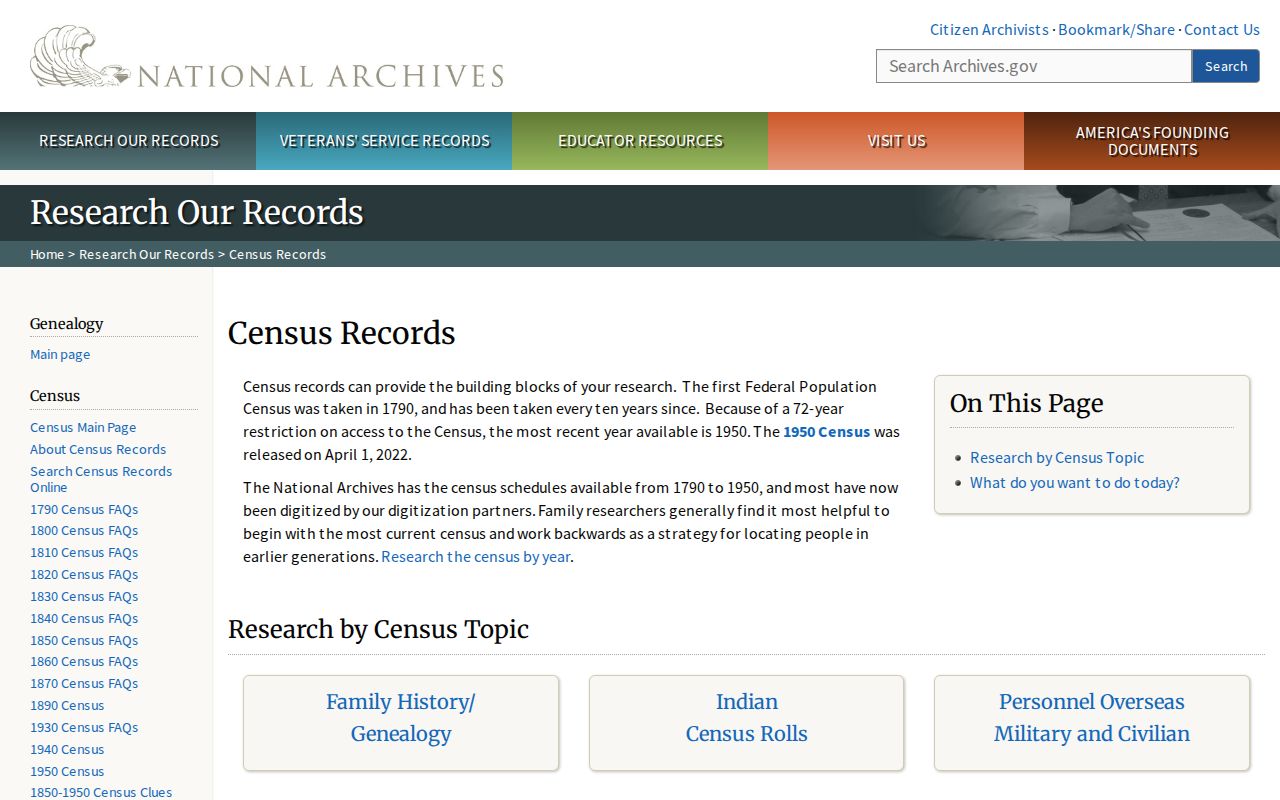
The census source helps turn an owner name into a dated household, but it should still be tied back to the correct address or enumeration district.
Bridge Peachtree Corners Resident Records
The 1890 federal population schedule is missing, yet Gwinnett has a useful local substitute. The Gwinnett Historical Society's indexed 1890 tax digest can name a taxpayer or likely household head and give militia district, land detail, acreage, and value. Those fields can connect a same-named person to deed geography.
It is not a census replacement in every sense. It will not supply a full list of spouses, children, or other people in the home. Use it between the 1880 and 1900 census years, then test the result against deeds, church membership lists, cemetery sources, and newspaper runs. This local workaround is far stronger than guessing that a family stayed put.
Probate Closes Resident Trails
A death or estate can explain why a name leaves the deed, directory, or tax record. Gwinnett Probate Court handles local estates and vital products. Open estate records may identify petitioners, heirs, a personal representative, and property involved, while restricted vital certificates follow separate eligibility rules.
The Gwinnett Probate Court portal is the official starting point for estate access.
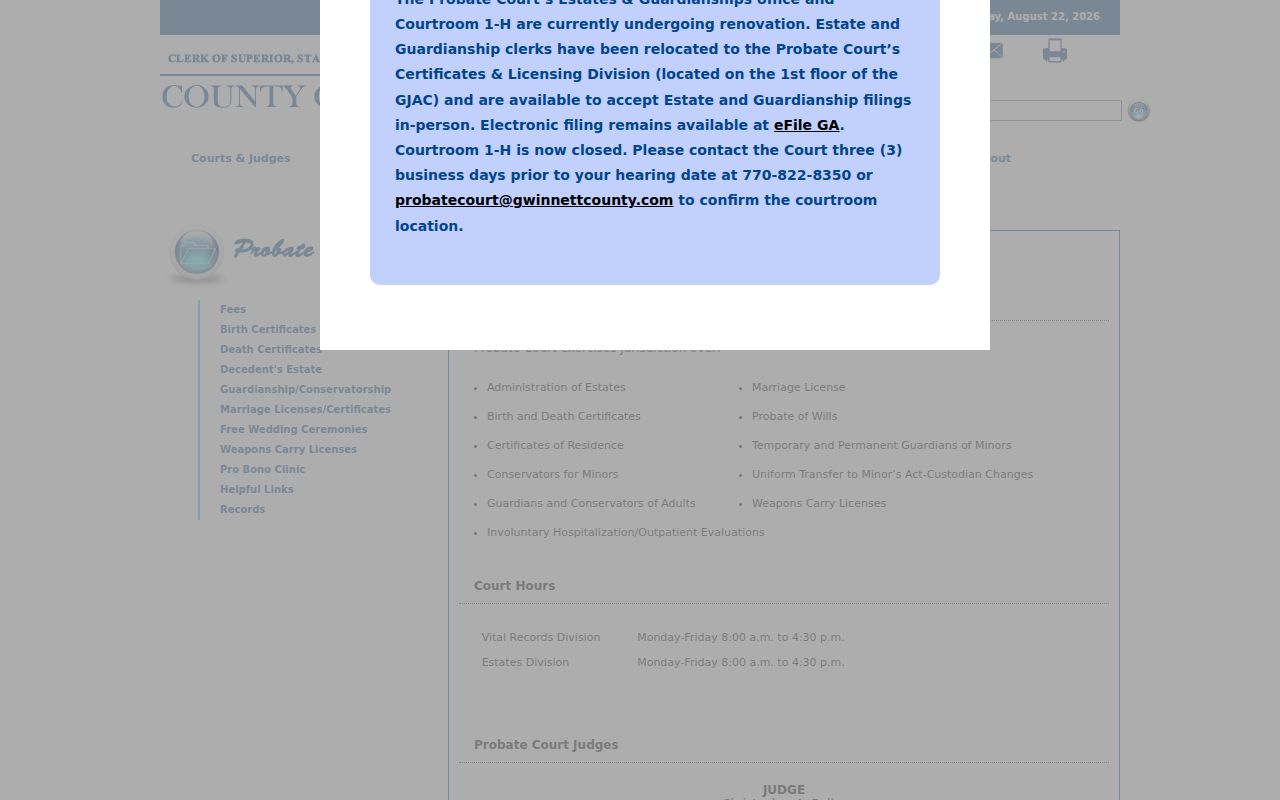
Use the estate as a relationship clue, then confirm the parcel through its deed reference rather than assuming every asset belonged to the address.
Georgia's State Office of Vital Records explains statewide certificate products and eligibility.

Vital-record services provide certificates, not a free public statewide name index, so order only when eligibility and a specific event justify it.
Follow Names Beyond Gwinnett
GCPL's microfilm holdings cover named newspaper runs from 1871 through 2008. A known death, sale, or event date lets library staff target an obituary or article request. The Lawrenceville reader can print, save to USB, or email an image. That makes newspapers a practical way to follow past residents after a move or name change.
Federal litigation is a narrower trail. The PACER Case Locator requires registration and can find federal cases across courts.
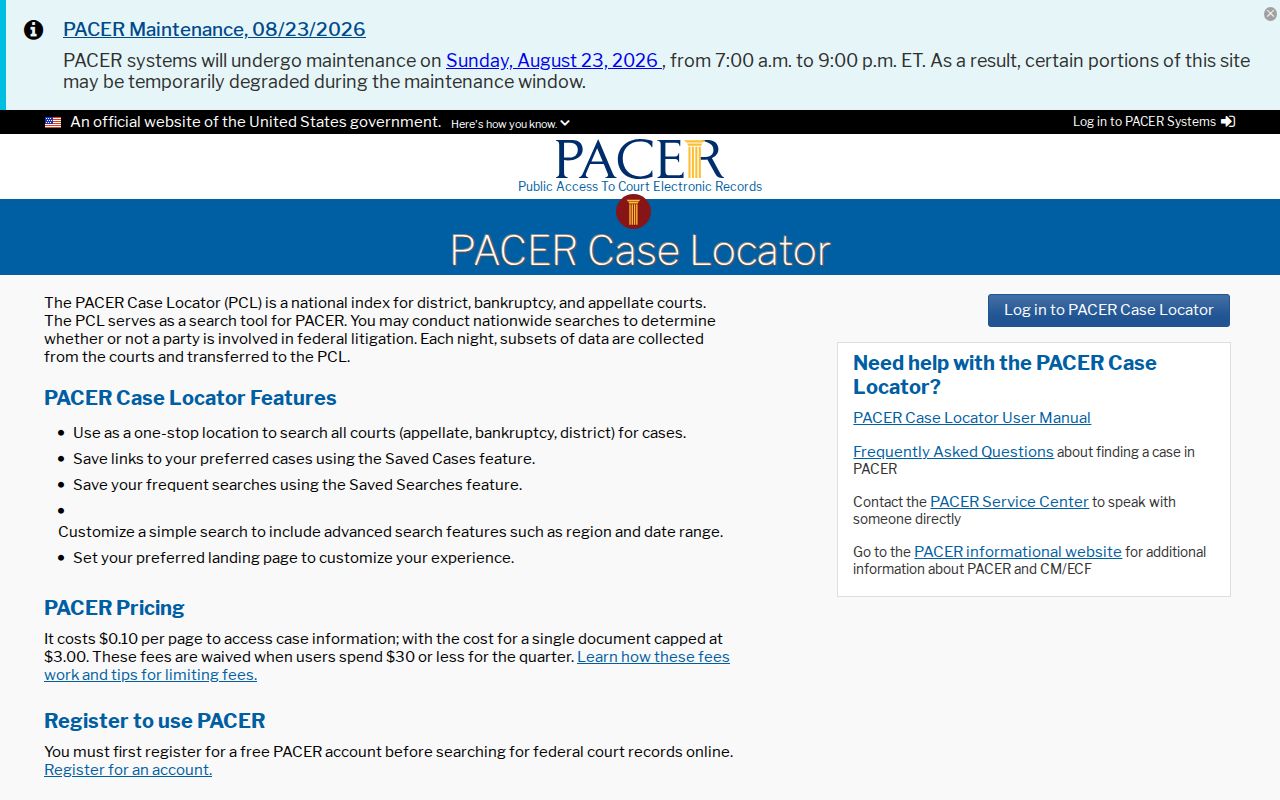
A case index may distinguish a same-named person through court, filing date, and party role, but it does not prove residence at the parcel without another address record.
Lawful use. Research previous residents for house history, genealogy, estates, or personal curiosity. Never use a record trail to track, harass, or harm a living person.